
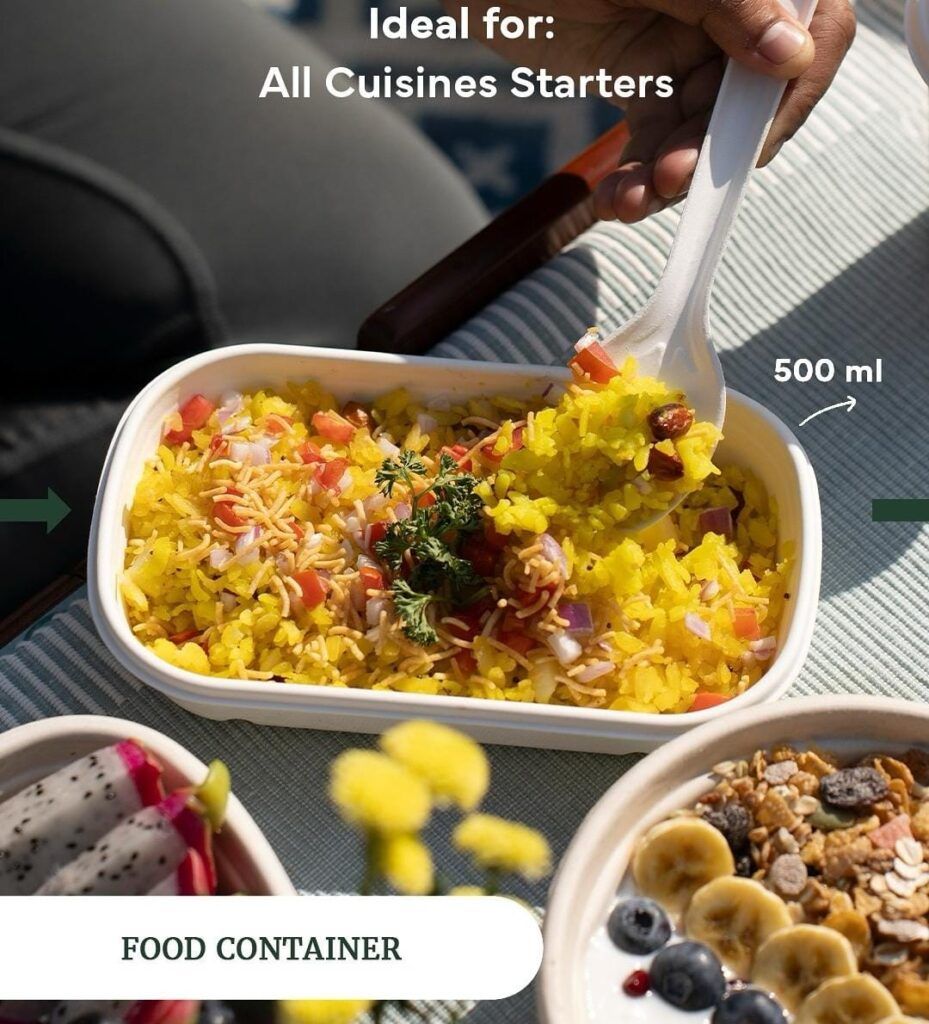
What Are Airtight Containers?
Airtight containers are specially designed to create a sealed environment that blocks air and moisture from entering. This helps preserve the quality, flavor, and safety of stored food. They are commonly made from BPA-free plastic, glass, or stainless steel and are ideal for both dry and perishable items.
The airtight seal is usually achieved with:
Lockable lids with silicone rings
Snap-tight or twist-lock mechanisms
Vacuum seals in advanced models
Whether you’re storing rice, flour, cooked meals, or salads—airtight containers are your best bet.
Tip #1: Always Dry Containers Thoroughly Before Use
Even a drop of leftover water inside a container can create a breeding ground for bacteria. Always make sure your airtight containers are completely dry before storing food—especially dry ingredients like sugar, flour, or snacks.
Use a clean cloth or let them air dry upside down. In commercial kitchens, where turnover is fast, make it a standard practice among staff to check for moisture before storing anything.
Tip #2: Label Everything Clearly and Include Dates
Organized food storage isn’t just about using the right containers—it’s also about knowing what’s inside and when it was stored.
Use waterproof labels to write:
Item name
Date of storage
Expiration or best-before date
Some airtight containers come with dedicated labeling areas. This small step ensures better inventory rotation and reduces food waste. You can also use color-coded labels for different food types (e.g., red for meat, green for veggies).
Tip #3: Store Cooked and Raw Food Separately
Cross-contamination is a major concern in any kitchen. Always use separate airtight containers for raw and cooked items. For example:
Raw meat, fish, or poultry should never be stored in the same container—or even the same shelf—as cooked or ready-to-eat food.
Use different colored lids or containers to help staff quickly identify contents.
This is especially important in professional kitchens where food safety compliance is crucial.
Tip #4: Don’t Overfill Your Airtight Containers
While it may seem like a good idea to pack containers to the top, overfilling can:
Compromise the seal
Lead to spillage
Create pressure that damages the lid or contents
Always leave about 10% empty space in the container. This allows the lid to close properly and maintains the airtight seal.
In case of storing liquids, leaving space also prevents leakage, especially if the food expands in cold temperatures (like in a freezer).
Tip #5: Choose the Right Container Size and Shape
Using the correct size of airtight container is essential for optimal storage. Here’s how to choose:
Use small containers (250–500 ml) for herbs, dips, or small portions
Medium sizes (1–2 L) for leftovers, curries, or cooked rice
Large containers (5–10 L) for bulk items like flour, grains, or marinated food
Square or rectangular containers are best for stacking and saving space. Avoid round containers for bulk storage—they waste shelf room and don’t stack evenly.
Bonus Tips for Using Airtight Containers Efficiently
Use transparent containers for easy identification
Stack same-sized containers to save space
Clean corners and lids regularly—food residue can affect sealing
Check containers weekly for signs of wear or odor
Replace damaged lids immediately to maintain airtight protection
How Airtight Containers Help in Food Delivery & Takeaway
In food delivery businesses, airtight containers are key to customer satisfaction. They:
Prevent leakage during transit
Keep food warm longer
Maintain flavor and texture
Reduce plastic waste when reused
Pair airtight containers with thermal bags for best results in hot food delivery.
Conclusion: Airtight Containers Make All the Difference
Food storage isn’t just about keeping things clean—it’s about safety, shelf life, organization, and sustainability. With the right use of airtight containers, you can dramatically reduce food spoilage, prevent contamination, and create a smooth, professional workflow in any kitchen.
Whether you’re a home chef or a hotel owner, applying these five simple tips will help you make the most of your food storage system.
Need top-quality airtight containers? Browse our selection at horecafoodpackaging.in
 “Benefits of Stackable Storage Containers in Restaurants”
- “Buy Airtight Food Containers Online – Shop Now”
