Types of Food Containers Available
There are several types of food containers in the market, each designed for specific purposes:
1. Plastic Food Containers
These are lightweight, affordable, and come in a variety of sizes. High-quality plastic food containers are BPA-free, durable, and microwave-safe. However, lower-grade plastic may absorb stains and odors over time.
2. Glass Food Containers
These are ideal for storing leftovers, reheating food, and even serving. They don’t retain odors or stains and are great for both hot and cold items. The downside is they are heavier and more prone to breakage.
3. Stainless Steel Containers
Highly durable, rust-resistant, and suitable for dry or semi-liquid foods. Stainless steel containers are often used in commercial kitchens for long-term storage, though they are not microwave-safe.
4. Silicone Containers
Flexible and space-saving, silicone containers are used in home kitchens for freezing and packing lunches. While not as common in commercial setups, they’re useful for specific tasks.
Factors to Consider When Choosing a Food Container
 1. Material Safety
 1. Material Safety
Always choose food containers made from food-grade, BPA-free materials. This ensures that chemicals won’t leach into your food—especially when heating or freezing.
2. Capacity & Size
Choose container sizes based on what you store regularly:
Small (250 ml – 500 ml): spices, sauces, dips
Medium (1 L – 2 L): leftovers, cut vegetables
Large (5 L+): bulk storage, marinated meats, curries
Avoid using the same container for all purposes—match size with quantity for best results.
3. Lid Quality
An airtight seal is essential to prevent spillage and contamination. Look for containers with tight-fitting or locking lids. Some lids come with a silicone ring to enhance the seal.
4. Stackability
For commercial kitchens or small spaces, stackable containers save shelf space and improve organization. Opt for rectangular or square containers over round ones for maximum space efficiency.
5. Temperature Resistance
Make sure your food containers can handle the temperature ranges you require:
Freezer-safe for long-term cold storage
Microwave-safe for reheating
Dishwasher-safe for quick cleaning
When to Use Which Food Container
For Dry Ingredients
Use airtight plastic or stainless steel containers for grains, pulses, and flour. Label them clearly and store in a cool, dry place.
For Leftovers
Use glass containers or microwave-safe plastic containers. These make reheating easy and help monitor spoilage thanks to their transparent walls.
For Marination
Go for large plastic or stainless steel containers with locking lids. Avoid aluminum as it reacts with acidic foods.
For Meal Prep & Takeaway
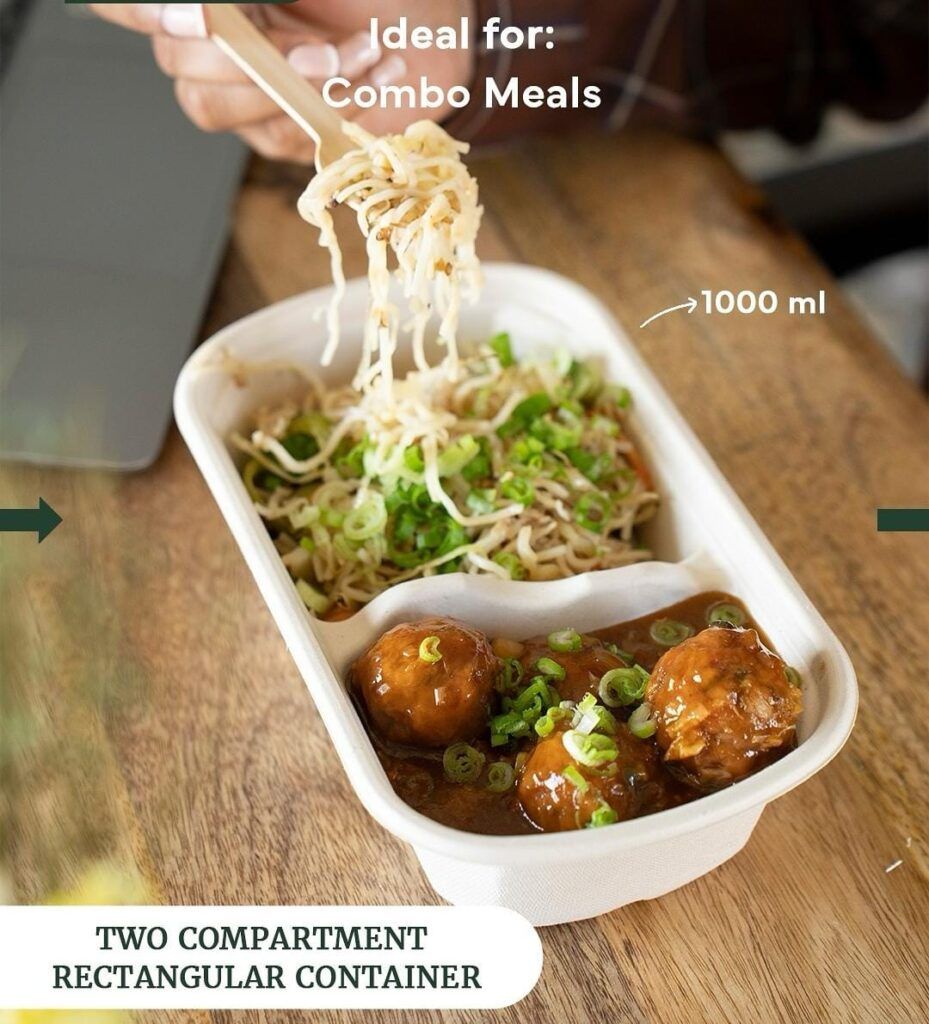
Compact plastic or silicone containers are ideal for portioned meals. Ensure they are leak-proof to avoid mess during transport.
Hygiene and Maintenance Tips
No matter which food container you choose, follow these hygiene tips:
Wash thoroughly before first use
Avoid using scratched containers for wet food
Never store hot food in plastic—cool it first
Don’t mix old and fresh food in the same container
Replace containers with cracked lids or damage
A well-maintained container lasts longer and keeps food safer.
Sustainability Tip: Choose Reusable Over Disposable
Reusable food containers not only save money in the long run but are also eco-friendly. Avoid using single-use plastic containers in professional kitchens or meal delivery services. Instead, invest in durable, reusable options that reflect your brand’s sustainability values.