
Plastic food containers Company
Plastic food containers Company
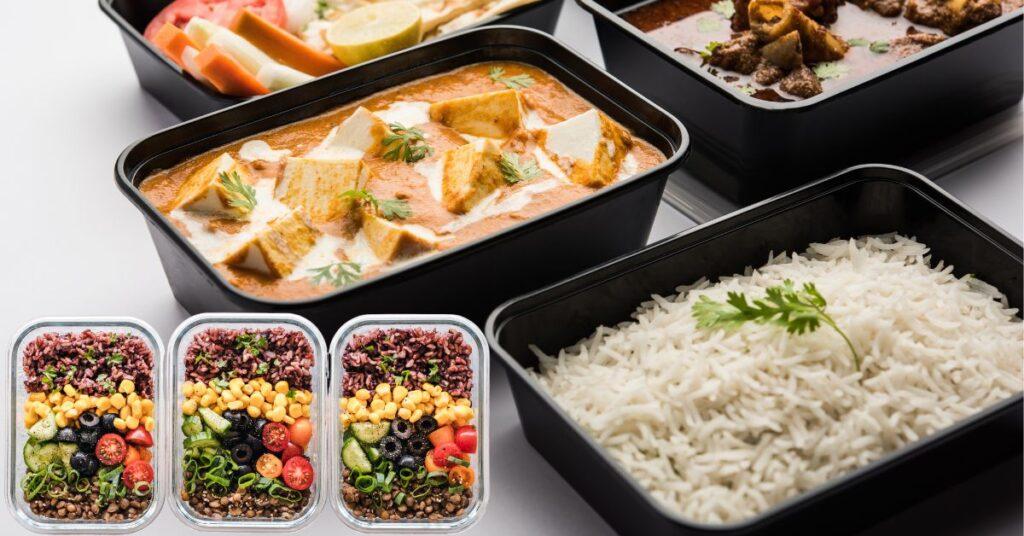
One of the easiest ways to maintain food containers is to wash them right after use. This prevents:
Food from sticking or staining
Odors from settling into the material
Bacterial growth
Even if you’re short on time, rinsing with warm water until you can wash them properly later is a helpful step.
To safely maintain food containers, always choose mild dishwashing liquids. Harsh chemicals or abrasive powders can:
Damage plastic or glass finishes
Degrade silicone seals
Leave chemical residues
Stick to pH-neutral soaps and soft sponges to protect the integrity of the container.
Many people make the mistake of using steel scrubbers to clean food stains. However, to maintain food containers, you should:
Use soft brushes or microfiber cloths
Avoid any metal scouring pads
Choose non-scratch sponges, especially for plastic and coated containers
This prevents surface scratches and prolongs container life.
Over time, containers may develop stains—especially from curries, tomato sauces, or oils. To remove them:
Soak the container in a mixture of baking soda and warm water
Use lemon juice or vinegar for strong odors and discoloration
Let it sit overnight before rinsing clean
These natural methods are effective and safe.
After washing, it’s crucial to maintain food containers by letting them dry fully. Storing damp containers can lead to:
Mold growth
Bad odors
Seal damage
Use a clean dish towel or air-dry them on a rack upside down before stacking.
To keep your containers from becoming musty or warped, always:
Store lids and bases separately
Leave lids slightly open if stacking with them on
Avoid stacking too tightly in drawers or cabinets
Proper air circulation helps maintain food containers in top condition.
Moving a container from freezer to microwave instantly can cause damage. To maintain food containers, follow these tips:
Let frozen containers thaw slightly before microwaving
Use microwave-safe containers only
Never place plastic containers directly on stovetops or in ovens
This prevents cracks, melting, or material breakdown.
Airtight containers often come with rubber or silicone gaskets. To maintain food containers:
Remove gaskets once a week and clean separately
Check for signs of wear or warping
Replace damaged parts to preserve the airtight seal
This ensures long-term performance and food safety.
For kitchens with bulk storage or meal prep routines:
Use date labels to track freshness
Practice FIFO (First In, First Out) rotation
Periodically inspect contents for spoilage
This habit helps maintain hygiene and keeps your containers in regular, clean use.
To best maintain food containers, avoid misusing them. For example:
Don’t use plastic containers to store acidic foods for long periods
Don’t freeze containers that aren’t rated freezer-safe
Don’t store non-food items like chemicals or oils in your kitchen containers
Stick to manufacturer instructions for safe use.
To extend the life of your kitchen essentials, it’s important to regularly maintain food containers through proper cleaning, drying, and storage. This not only saves money in the long run but also protects food quality and hygiene.
 For premium containers built to last, visit horecafoodpackaging.in and explore our trusted Horeca range.